
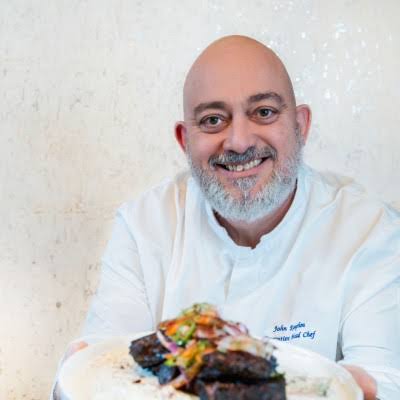
With more than 35 years in hospitality, John Kouphou, Executive Chef at St. Ermin’s Hotel, has reached the point in his career where being a chef is about far more than the plates leaving the kitchen.
For the past three and a half years, John has led the kitchen operation at the historic London hotel, overseeing everything from their restaurant Caxton Grill and afternoon tea to events and staff dining.
But increasingly, John’s focus is on people: building teams, developing talent and creating an environment where the team can thrive.
We spoke to John about his approach to leadership and the people behind the scenes who keep the operation moving, including the Act-Clean Kitchen Porters he considers an essential part of the St. Ermin’s family.
- You’ve spent more than 35 years in hospitality. What has kept you in the industry?
“What has always interested me about the industry is the people. Obviously, I love food and I love cooking, but as you progress in your career, it becomes less about that – for me, anyway – and more about mentoring.
“It’s about building the team, developing people, maintaining standards and creating an environment where people can grow and actually enjoy coming to work.
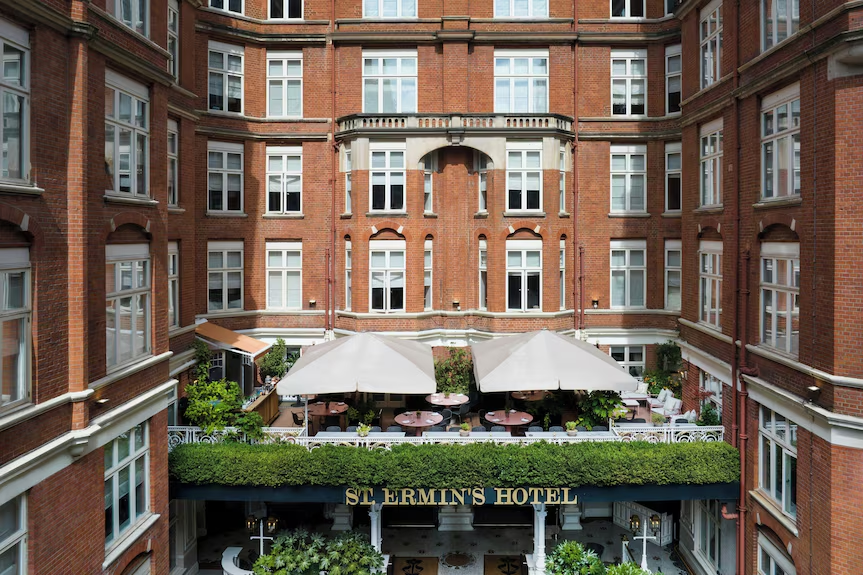
"Act-Clean's Kitchen Porters are essential. A lot of people underestimate the role of a Kitchen Porter, but you can’t run a successful professional kitchen without a strong KP team."
Executive Chef John
2. What makes St. Ermin’s a special place to work?
“I think it starts at the top: it’s all about the people. Our staff food here is second to none. I use the same ingredients I’d use in the restaurant: the same meats, the same vegetables. If you don’t look after your people, your people aren’t going to look after your guests.
For John, success is not simply measured by what his team achieves while they are at St. Ermin’s, but by what they take with them.
“However long somebody works for me, my thing is that they can leave a better version of themselves than when they arrived. And that’s as a chef and as a person.”
It is an approach that has helped John and his team achieve something he is particularly proud of: two AA Rosettes at Caxton.
“I’m not managing people here. I’m leading people. I lead my head chefs, and they manage the team.”
3. How important are Act-Clean’s Kitchen Porters to the operation?
“They are essential. A lot of people underestimate the role of a Kitchen Porter, but you can’t run a successful professional kitchen without a strong KP team.”
It is work that touches virtually every part of the operation, often without ever being visible to the guest.
“They keep the operation moving. It’s everything from cleanliness and hygiene to equipment, pot washing and waste management, as well as supporting the chefs and waiters during service.
“Their work impacts practically everything that we do, from start to finish in the kitchen. They have a hand in everything. Without the KPs, we cannot function.”
For John, that contribution is not peripheral to a successful service; it is what allows the rest of the brigade to perform at its best.
“Knowing that I have a reliable Kitchen Porter team behind my brigade gives us more confidence that we can deliver. It allows the chefs to concentrate on cooking rather than worrying about whether the bins have been changed, whether there’s blue roll, whether there are enough gloves, whether the hand sanitiser is full or whether the ovens are clean.
“You don’t worry, because you know that it’s done. You have a team of diligent Kitchen Porters behind you.”
Put simply – they are a vital ingredient to everything that we do here.”
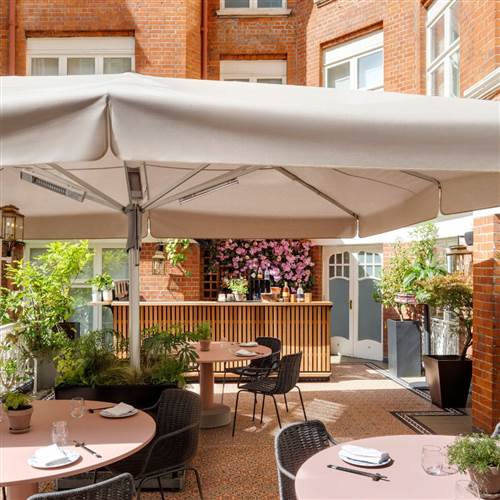
4. Do the Act-Clean KPs feel like part of the St. Ermin’s team?
“100%. I don’t look at the KPs as a separate entity. They’re part of the team. Regardless of whether they’re outsourced or not, we’re all striving for the same purpose.
5. What is the relationship with the wider Act-Clean team like?
“It’s a partnership.”
That partnership extends to Act-Clean’s management team, with John particularly valuing the responsiveness around changing operational demands.
“If it suddenly gets busier or there’s a large event and we need more assistance, they always come up trumps. If somebody calls in sick, within half an hour or an hour, somebody is there to replace them.
“Communication and flexibility are incredibly important. And if there is an issue, I know I can have a conversation with Mark and he’ll handle it.”
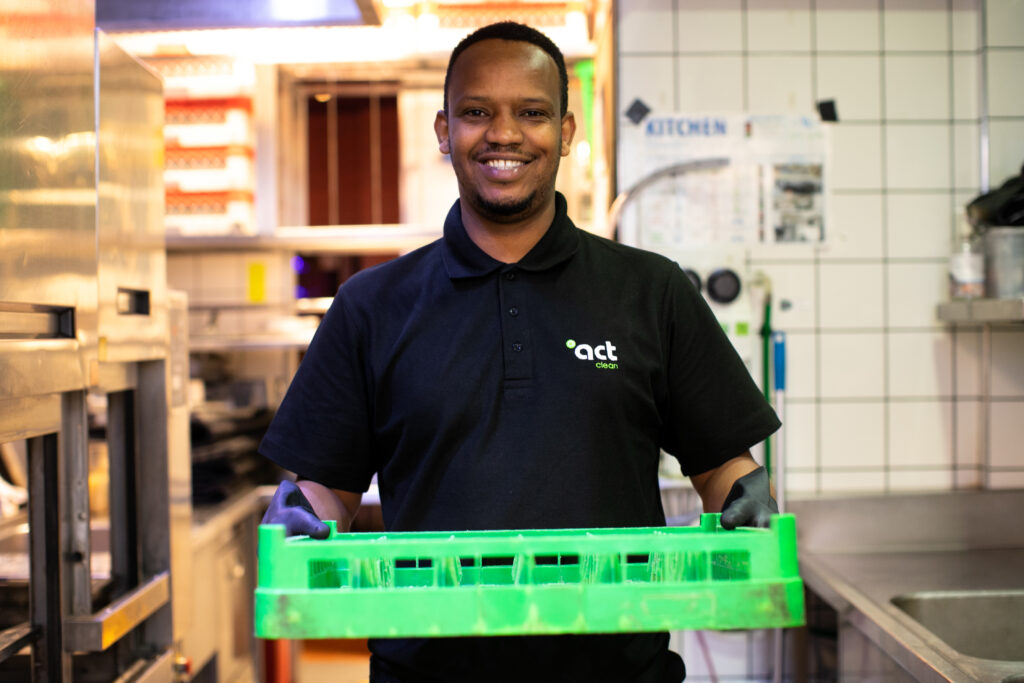
6. How important is consistency within the KP team?
For John, familiarity with the rhythm of the kitchen is crucial.
“There’s a process every day. It’s a routine, and because we have the same team all the time, they know what they’re doing.”
That consistency also means new team members are given the opportunity to shadow experienced KPs before stepping in.
“When somebody new is going to step in, they already know the job. They know what to do.”
7. What’s the KP’s relationship like to the rest of the team?
For John, it is less about one standout moment and more about the relationships built through everyday working life.
“A kitchen is a very intense environment, but regardless of all that, there’s always humour. You see the interaction between the chefs and the guys. There’s banter, there’s laughter, they help each other out, there’s friendship.”
“They’re truly part of the team.”
Those relationships extend beyond the kitchen, too. John recalls one member of the Act-Clean team attending the christening of a chef’s daughter, while another has his hair braided by a chef’s wife – small details that reveal just how naturally the two teams have become intertwined.
“One of the nicest things about this relationship is that genuinely, you don’t think of the KPs as outsourced. You really don’t.”
And if he had to sum up the relationship in one sentence…
“Act-Clean may provide the service, but the people providing that service are very much part of the St. Ermin’s family.”
Executive Chef John
If you’d like to find out more about how Act-Clean could become your #teamwithintheteam at your business, please get in touch.


